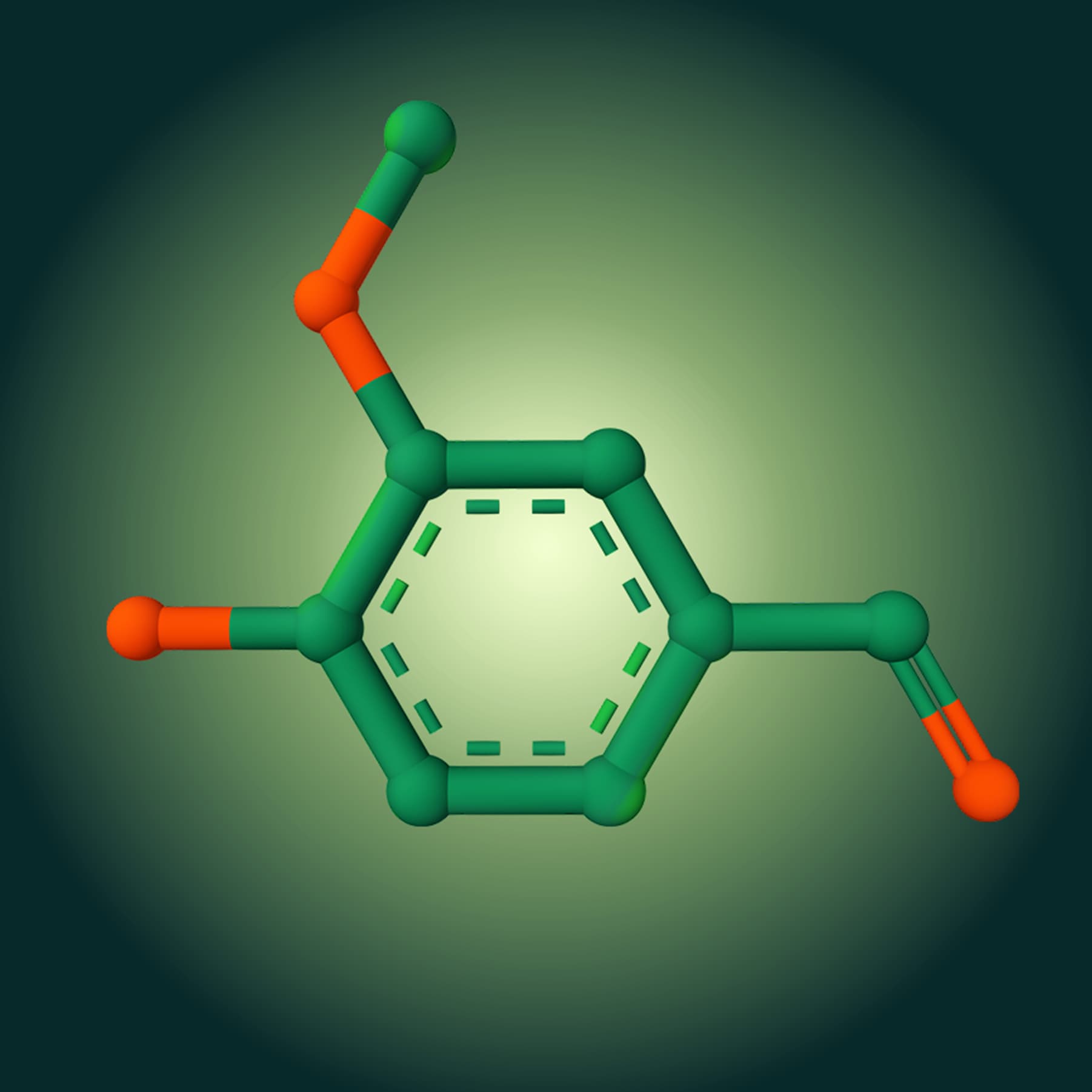
Vanillin
- Category
- Food and Agriculture
Origins:
Primarily derived from vanilla pods; alternative sources like lignin and fruit wastes are explored (Liaqat et al., 2023; Ahmad and Javed, 2024). High demand led to synthetic and biotechnological production (Xu et al., 2024; Paul et al., 2021).
Key Features:
Used in food, cosmetics, and pharmaceuticals for aroma and flavor; exhibits antioxidant and antimicrobial properties (Xu et al., 2024). Modern production includes chemical synthesis from guaiacol or lignin and biotechnological methods using microbial fermentation (Xu et al., 2024; Qiu et al., 2025; Zhang et al., 2024).
Sustainability:
Sustainability of production is a concern due to environmental impacts of traditional methods. Lignin as a renewable source is promising but faces cost and process challenges (Xu et al., 2024; Isola et al., 2018).
 bio:drive - intelligent microbe design
Here’s what bio:drive says about Vanillin:
- Viable pathways recommended / (generated) 2 / (1474)
- Median pathway length 4 biochemical reactions
- Max free energy change -33.4 KJ.mol-1
- Max theoretical yield 64.3 %
- Predicted pathway bottlenecks 2 reactions
- Enzyme variants recommended / (generated) 10 / (596)
- Predicted enzyme reactivity improvement 1.6x
- Predicted host microbe bottlenecks 5 genetic edits
- Predicted host microbe flux improvement 14.5x
- Continuous fermentation enabled
- Number of microbe versions designed for grow:bot build 3,672,000
- Overall potential improvement with bio:drive 12x
 Ready to start building using grow:bot?
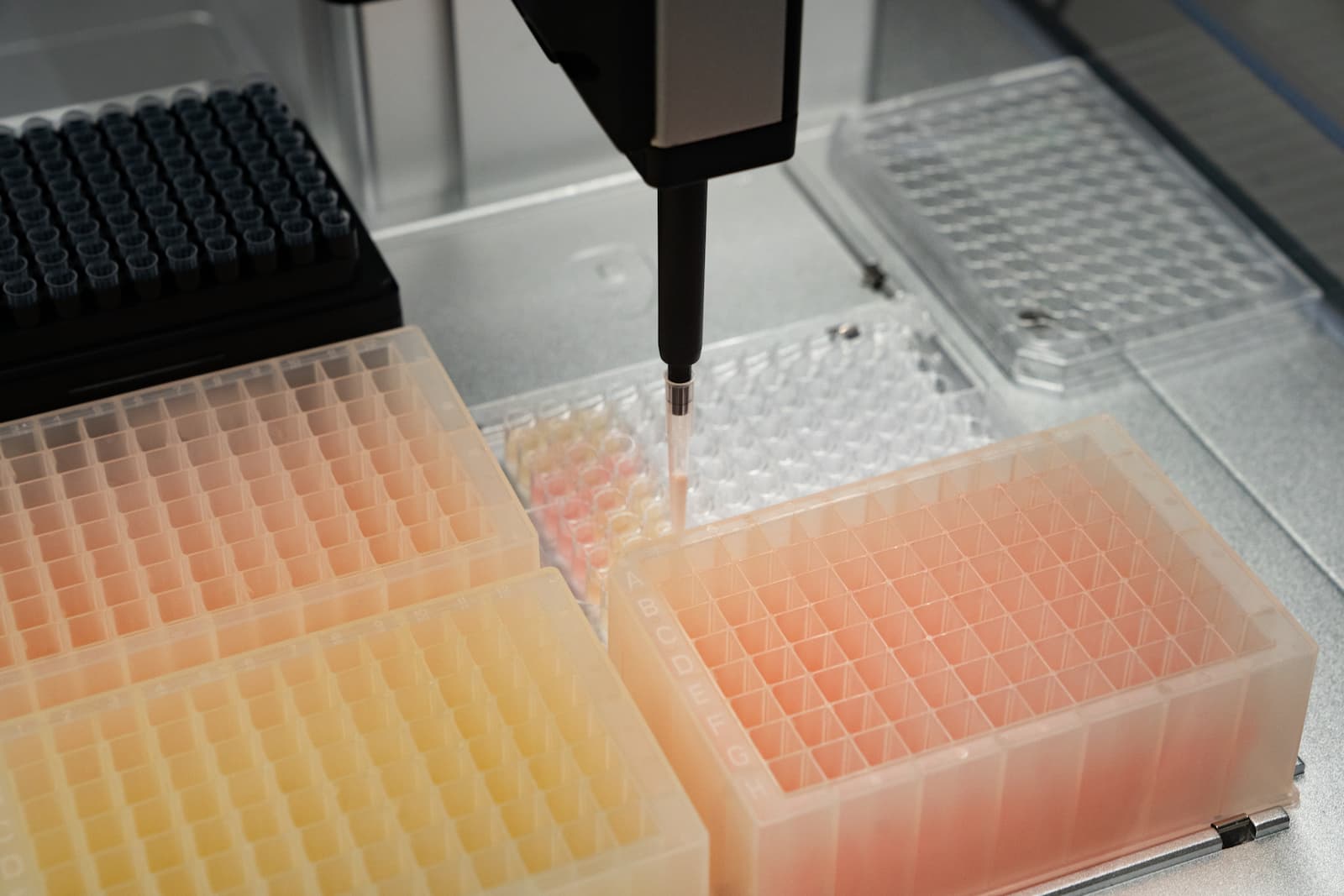
At twig, we find the best possible microbe to produce your ingredients using our fast, automated builder, grow:bot. In a matter of weeks, you can go from concept to having your own engineered microbe.
Our wet-lab combines fast micro-scale microbe builds, with high-throughput fermentation screening. And all of our microbes are built to last, ready for large-scale and continuous fermentation systems.